
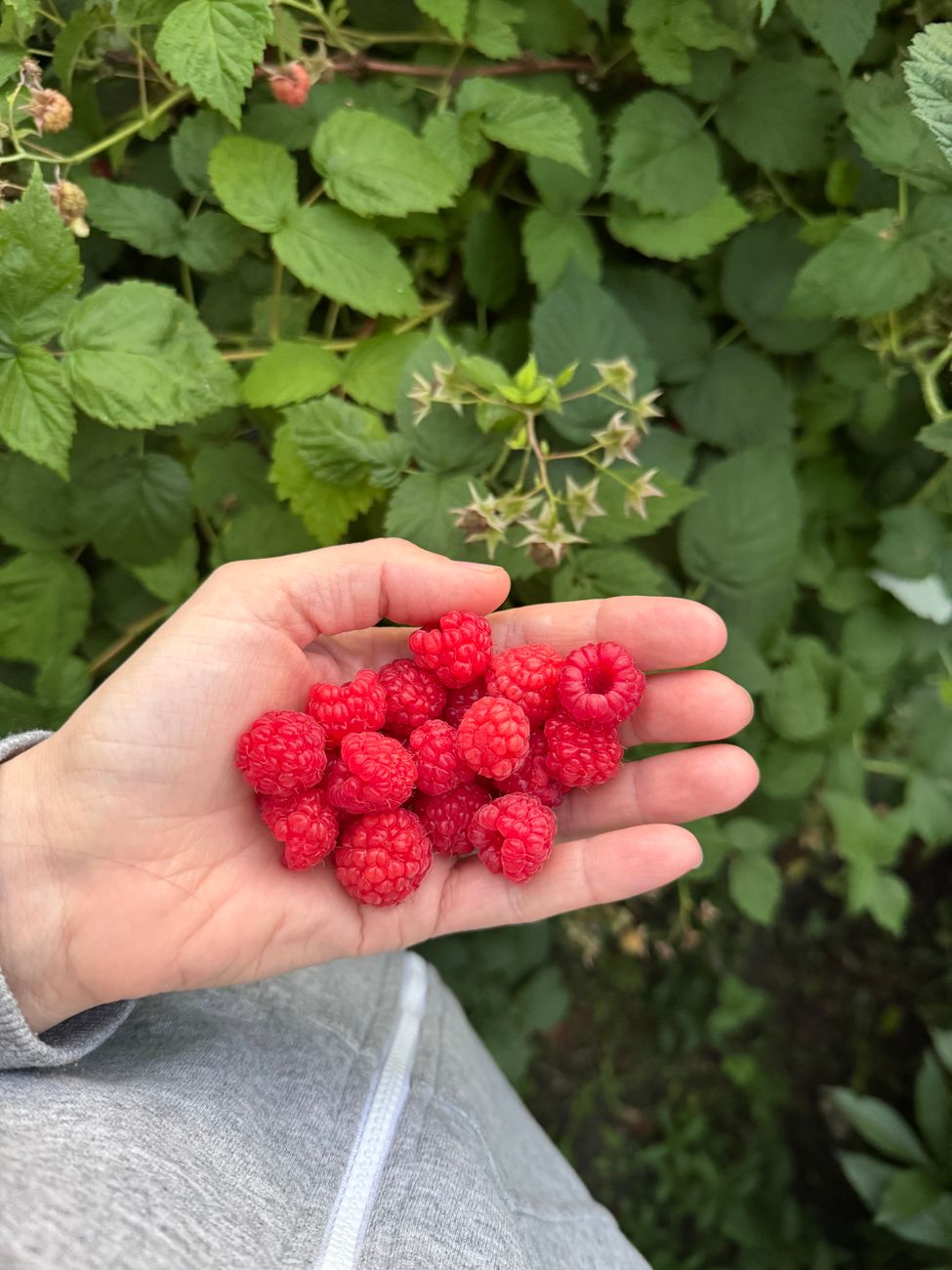
Berry growers in Oregon are asking a question British growers answered years ago: should they bring their crops under cover?
The Northwest Berry Foundation (NBF) and Dutch horticultural consultancy Delphy will lead a new study, Pathways to Controlled Environment Production for Oregon Berry Growers. It is funded by a $207,082 grant from the USDA Specialty Crop Block Grant Program, administered by the Oregon Department of Agriculture, the partners announced on 4 November.
Over two and a half years, the study will assess whether, and how, Oregon’s blueberry, raspberry, blackberry and strawberry growers should invest in controlled environment production, from tunnels through to greenhouses and fully enclosed systems.
Why Oregon growers are asking
According to the partners, growing conditions in the Pacific Northwest are becoming less predictable, labour is changing, and buyers expect consistent, high-quality fruit. Other major berry regions already use tunnels, covers, substrates and greenhouses to extend seasons, save water, cut pesticide use and improve quality.
These systems are expensive, though, and only pay off when matched to the right crop, site and market. Until now, Oregon growers have had no framework for choosing between them based on local conditions.
“Our growers are asking hard questions about tunnels, covers and greenhouses, and they deserve answers built on Oregon’s conditions, not someone else’s climate or cost structure,” said Julie Pond, Executive Director of the Northwest Berry Foundation. “This project gives them that, crop by crop, before they commit their limited resources.”
How the study will work
The project will:
- Survey and interview growers, input suppliers and other industry participants.
- Benchmark international case studies against Oregon’s costs, labour, water and weather.
- Model yield, cost and risk for each step, from tunnels to greenhouses to fully enclosed production.
- Identify the most promising systems, the barriers to adopting them, and the policy, technical and public-private support needed.
- Test the findings at an industry workshop before the final report.
The results will include a public summary, a technical annex, a decision-support framework for growers, and a roadmap for a second phase of applied research and pilots.
NBF will lead grower engagement. The research and economic modelling will be led by Bradley Gittings, Managing Director of Delphy AgAdvisory, Delphy’s North American arm. He will work with Delphy specialists in the Netherlands, drawing on trials at the company’s Innovative Soft Fruit Centre in Horst, where high- and mid-tech substrate systems are tested in greenhouses and tunnels.

A Dutch knowledge export
For Delphy, part of Royal Peterson Control Union Group, the project marks a significant step into North American berry production.
“This project lets us share what our soft fruit team has learned in Horst with Oregon growers, alongside a partner that knows them well,” said Edwin van Lenthe, Managing Director of Delphy Netherlands.
The UK view
For British growers, this is familiar ground. According to the NFU, more than 90% of British-grown strawberries are produced under polytunnels. Many are grown on tabletops in substrate, a system adopted from the Netherlands and Belgium. The move under cover has helped UK growers extend their season and improve fruit quality.
The UK’s experience shows the move pays off when the system matches the crop and the market, which is exactly the question Oregon is now asking. It also suggests the knowledge flow could go both ways: British growers and tunnel and substrate suppliers have decades of practical experience that could be valuable to US growers making the same decisions.
Source: Northwest Berry Foundation and Delphy press release, 4 November 2026.


Leave a Reply